WHAT IS AMBIENT STORAGE?
Ambient Biological Storage
Ambient biological storage refers to storing biological materials such as paraffin-embedded tissue samples, DNA, RNA, proteins, and other biomolecules fixed with preservatives such as Bouin’s solution, formalin, or alcohol, at room temperature to prevent decay and decomposition. Ambient storage offers a practical and cost-effective solution to maintain the integrity and stability of biological materials at room temperature and within a controlled environment.
Ambient Stability Storage
Stability storage is a controlled environment that assesses products’ long-term stability and integrity, including pharmaceuticals, chemicals, reference samples, cosmetics, and other sensitive materials. It typically involves storing samples under room temperature and humidity conditions for an extended period, often under strict regulatory requirements. Ambient storage offers a range of benefits, including improved shelf life, reduced spoilage and degradation, and enhanced product quality and consistency.
Ambient Storage vs. Controlled Room Temperature (CRT) Storage: A Comparison
While both ambient storage and Controlled Room Temperature (CRT) storage involve maintaining products around room temperature, their precision and purpose for sensitive materials differ significantly.
| Feature |
Ambient Storage |
Controlled Room Temperature (CRT) Storage |
| Temperature Control |
General room temperature (15°C to 25°C) or up to 30°C, less precise |
Tightly controlled (20°C to 25°C), minimal fluctuation |
| Humidity Management |
Often general facility HVAC, less active control |
Rigorously controlled and monitored (e.g., 60% RH ± 5% RH) |
| Primary Use (Pharma/Life Sciences) |
Less sensitive materials; general warehousing; early-stage samples (Ex. fixed tissue samples, some chemicals) |
Formal long-term & accelerated stability studies; APIs (Active Pharmaceutical Ingredients); finished drug products; biologics requiring strict control |
| Regulatory Compliance |
General warehousing practices |
Strict adherence to ICH, FDA, cGMP, ISO guidelines |
| Monitoring Level |
Basic logging, less granular |
Continuous, high-resolution monitoring with alarms, audit trails |
CRT offers a much tighter, actively managed environment (typically 20°C to 25°C) essential for pharmaceutical and biological stability studies, contrasting with the broader range of general ambient conditions. This seemingly small 5°C difference can be critical, as even minor temperature fluctuations can significantly impact product degradation rates, shelf life, and regulatory compliance for sensitive APIs and drug products.
Precision Stability Storage specializes in providing these precisely controlled environments, ensuring your products meet the highest standards of quality and compliance.
Controlled Ambient Storage Solutions with Precision
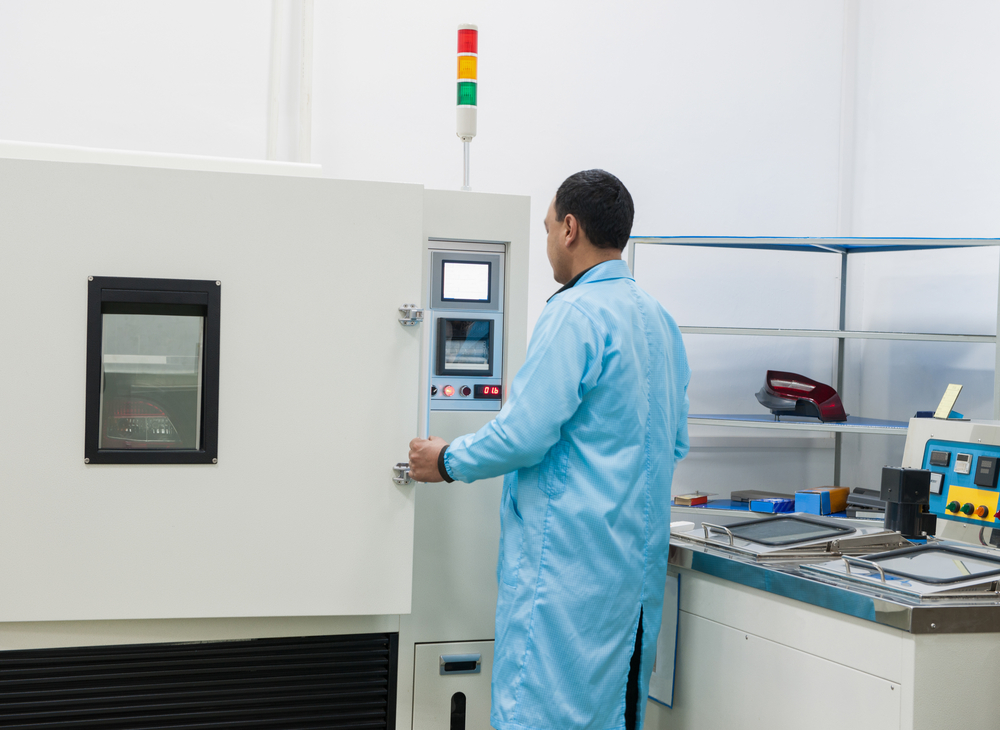
Precision is a trusted provider of controlled ambient storage services. Our expertise, detail to compliance, data monitoring, and long-term storage capabilities set us apart from our competitors. Organizations in industries where precise temperature control and regulatory compliance are essential for the preservation and stability of critical materials trust Precision to maintain the quality, safety, and effectiveness of various products and materials.
- Secure Storage: Precision is equipped with advanced security measures, including access control and surveillance, to protect stored materials.
- Scalability: Equipped with reach-in units and large walk-in chambers, Precision has different sizes and configuration capabilities that offer scalability to accommodate changing storage needs.
- Precise Temperature and Humidity Control: Maintain specific temperature and humidity conditions as stability testing protocols require. A stable temperature range around room temperature (typically 15°C to 25°C or 59°F to 77°F).
- Long-Term Testing: Samples are stored for extended periods (often months to years) to assess their stability and shelf life.
- Regulatory Compliance: Precision Stability Storage follows strict regulatory standards, such as ICH, FDA, cGMP guidelines, and ISO standards, to meet quality and safety requirements and ensure compliance and data integrity.
- Data Monitoring: Advanced monitoring systems continuously track and record temperature and humidity conditions for documentation, analysis, and reporting.