What is biobanking, and how does it work? Learn more about what a biobank is and how its usage aids in valuable medical research.
What Is a Biobank?
Sometimes referred to as tissue banks or bioresources, a biobank is meant to store biospecimens. Biospecimens could refer to samples of bodily fluids or tissue, which are collected to assist in medical research purposes and improve our understanding of health and diseases. To provide context for the biospecimens collected, those who fluids or tissues are retrieved from may also be asked to provide other information, such as height, weight, family history, and lifestyle. Depending on the research performed, these samples may be held for several years or indefinitely, and specimens may be collected from the same individuals over time to study how certain factors change.
How Do Biobanks Work?
Typically, biobanks collect only human specimens. However, there are some that also acquire those of animals, plants, and other non-human species. Biobanks are usually categorized and designed for certain purposes. For instance, there are biobank facilities designed to accommodate hospitals, some for universities, some for pharmaceutical companies.
What Are the Purposes and Primary Functions of a Biobank?
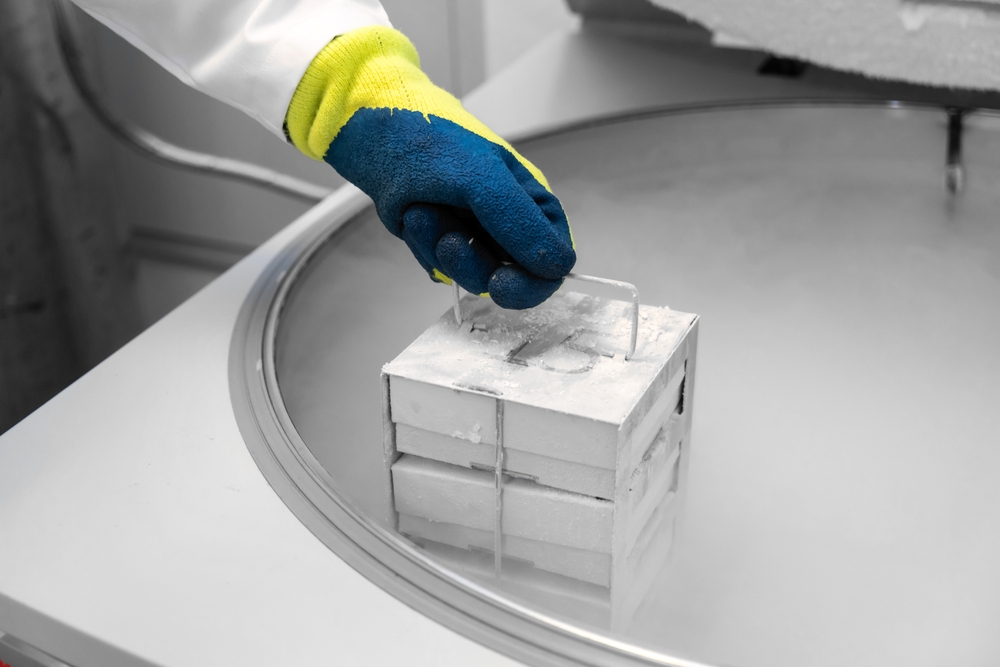
Biobanks play an important role in medical research by safely storing samples. This prevents deterioration and inhibits accidental and intentional damage, and provides adequate conditions for long-term storage of different types of biospecimens. Biobanks also carry out proper digital logging and organizing of specimens and de-identify them to ensure donor privacy and blind research.
What are the Benefits of Biobanking?
Biobanking can come with invaluable benefits. If a participant’s sample is found to contain genetic indicators that could affect their health during the research, they will receive genetic counseling and be referred to specialists who can assist them. Because biobanks contain such an abundant amount of biological material, they make researching the impact of factors such as genetics, the environment, and a person’s lifestyle on human health easier.
What Types of Samples Are Stored in Biobanks?
Biobanks often contain biospecimens such as:
- DNA
- Organ tissue
- Saliva
- Blood
- Urine
- Skin cells
- Other bodily fluids or tissues
These samples are used for a wide range of research, including studying genetics, diseases, and the effects of medications. Biobanks maintain these samples under their appropriate conditions until they’re needed for experimentation, testing, or analysis.
How Do Biobanks Differ From Cell Banks?
Although biobanks and cell banks can both be used for research purposes, they differ in one key way: their source. While biobanks can store biological samples from hundreds of thousands of patients at any given time, cell banks maintain collections of cells derived from a single cell line or culture at cryogenic temperatures. This provides researchers and manufacturers with a renewable source of cells.
Factors for Choosing a Biobank
A few factors to consider when choosing a biobank to partner with include its reliability in the areas of:
- Proper sample logging and monitoring systems
- Generator backup
- Equipment maintenance
- Insurance against mechanical or utility service failure
- Overall risk mitigation
Sample loss or damage can result in serious setbacks for those in the life sciences industry, such as biotech, biopharma, pharmaceutical companies, and academic biobanking. Precision Stability Storage is committed to quality and reliability for our users, providing consistent, dependable storage conditions. Our off-site biobanks are designed to accommodate a wide variety of temperature conditions, feature 100% redundant controls and conditioner, have electric generator backup, entail space and capacity to grow with your needs, and ensure continuous monitoring of each chamber and freezer. We also maintain insurance against mechanical or utility service failure.
We at Precision Stability Storage are committed to the highest quality standards in our biobank facilities and exceptional service. We offer various temperature conditions to store critical biological material in one of our four off-site cGMP biostorage facilities, as well as ICH stability storage and management, stability studies management for biobanking, biological and pharmaceutical sample management, and contract off-site cGMP biostorage. Contact us to learn more about our biobanksand what we can offer, or request a quote.